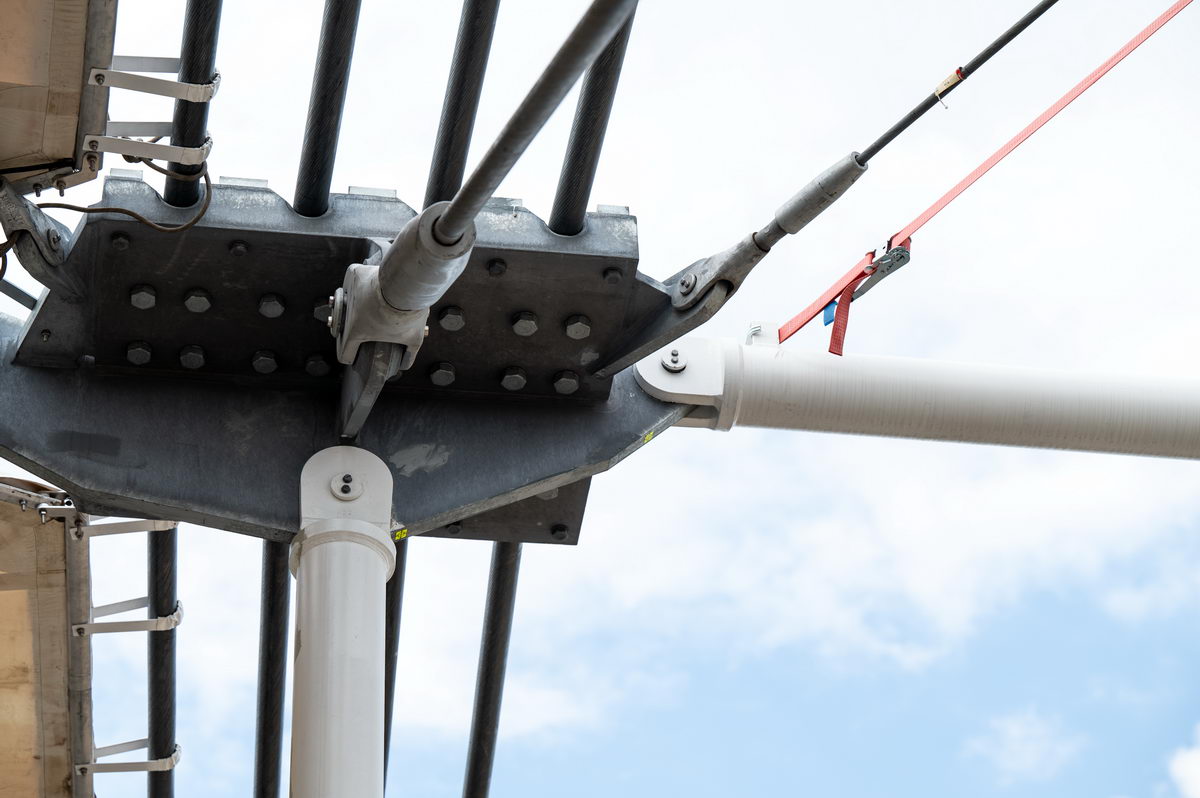
840 metres, 48 sections, 3 millimetres, 20 professionals, 40,000 people: all this on the largest and most complex stadium project in Hungary. Are you curious to know what the numbers mean and what kind of professionalism is behind them?
If the above has piqued your interest, all you have to do is register and immerse yourself in our professional content.
National Athletics Stadium – when the stadium and the city are built at once
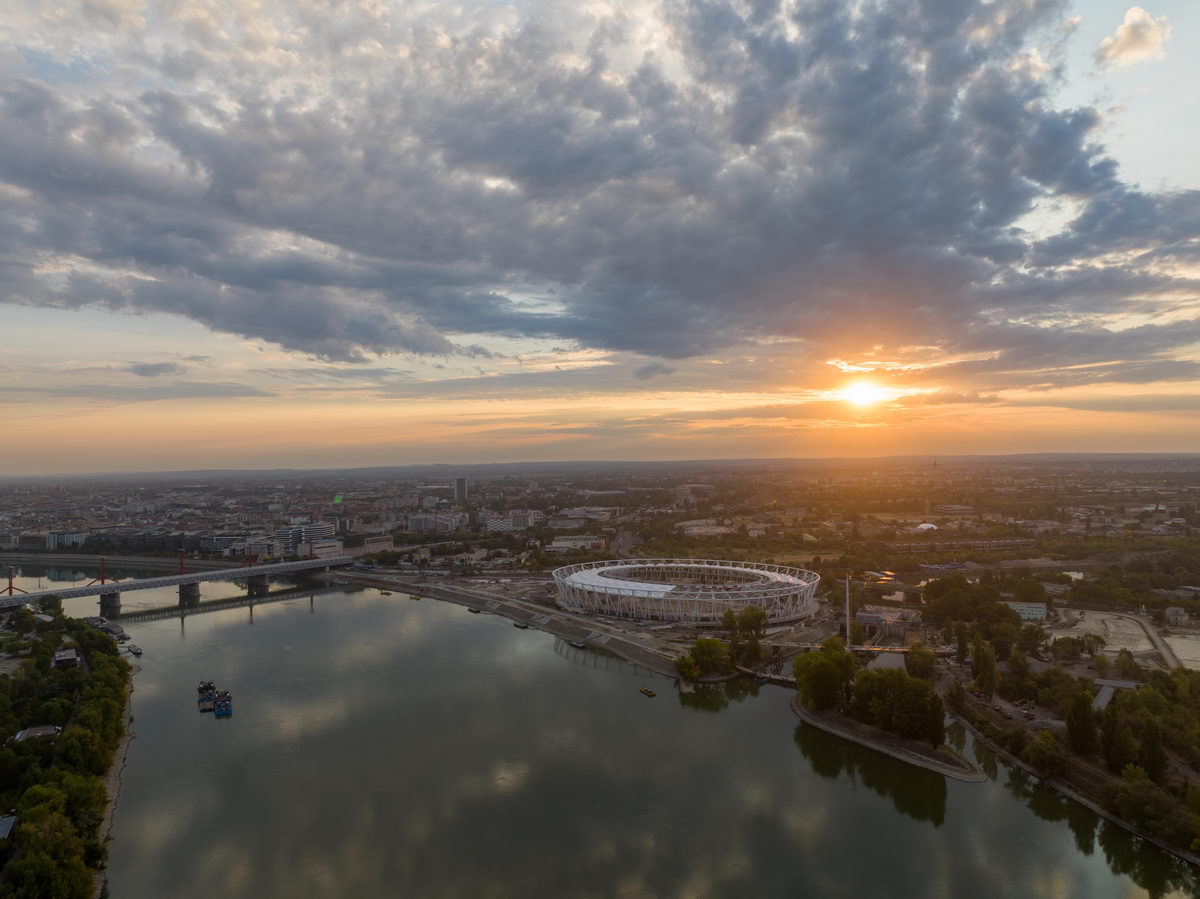
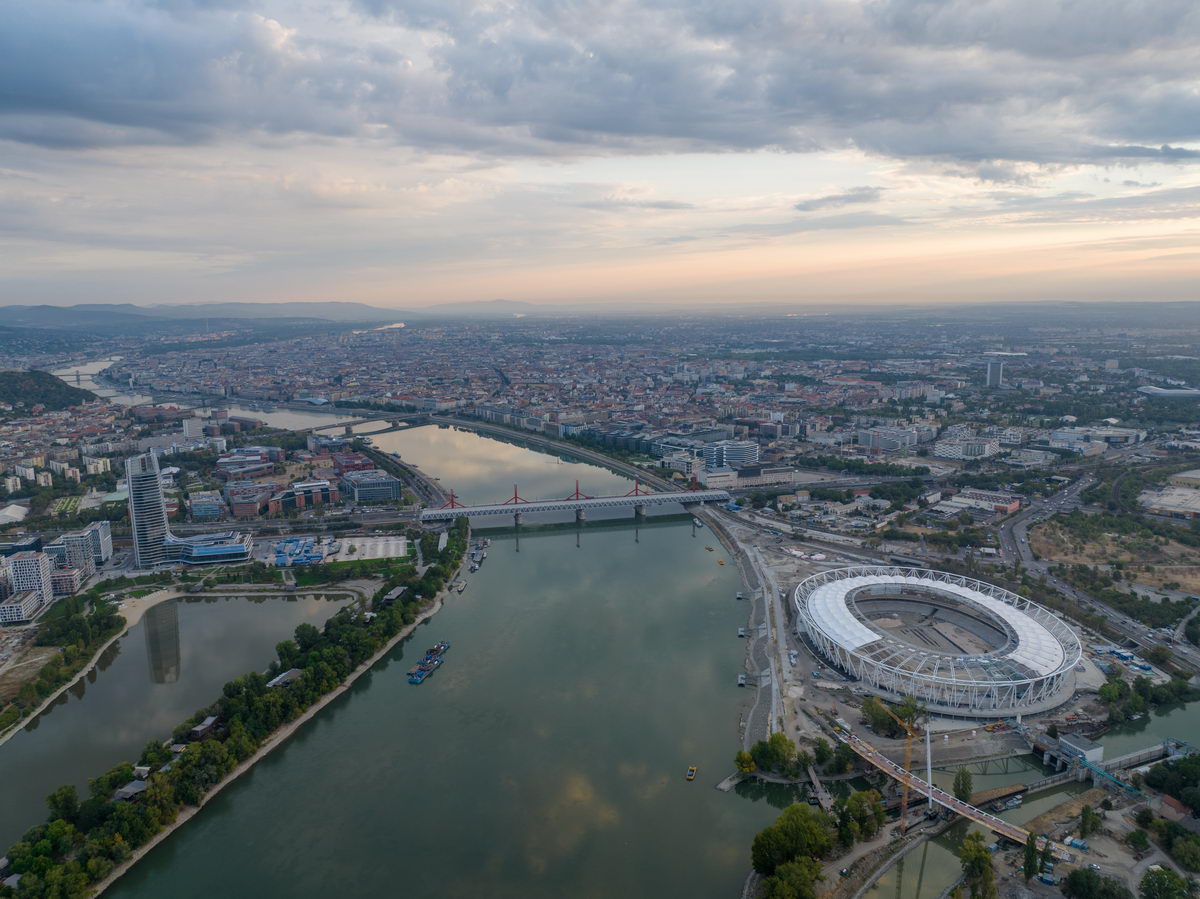
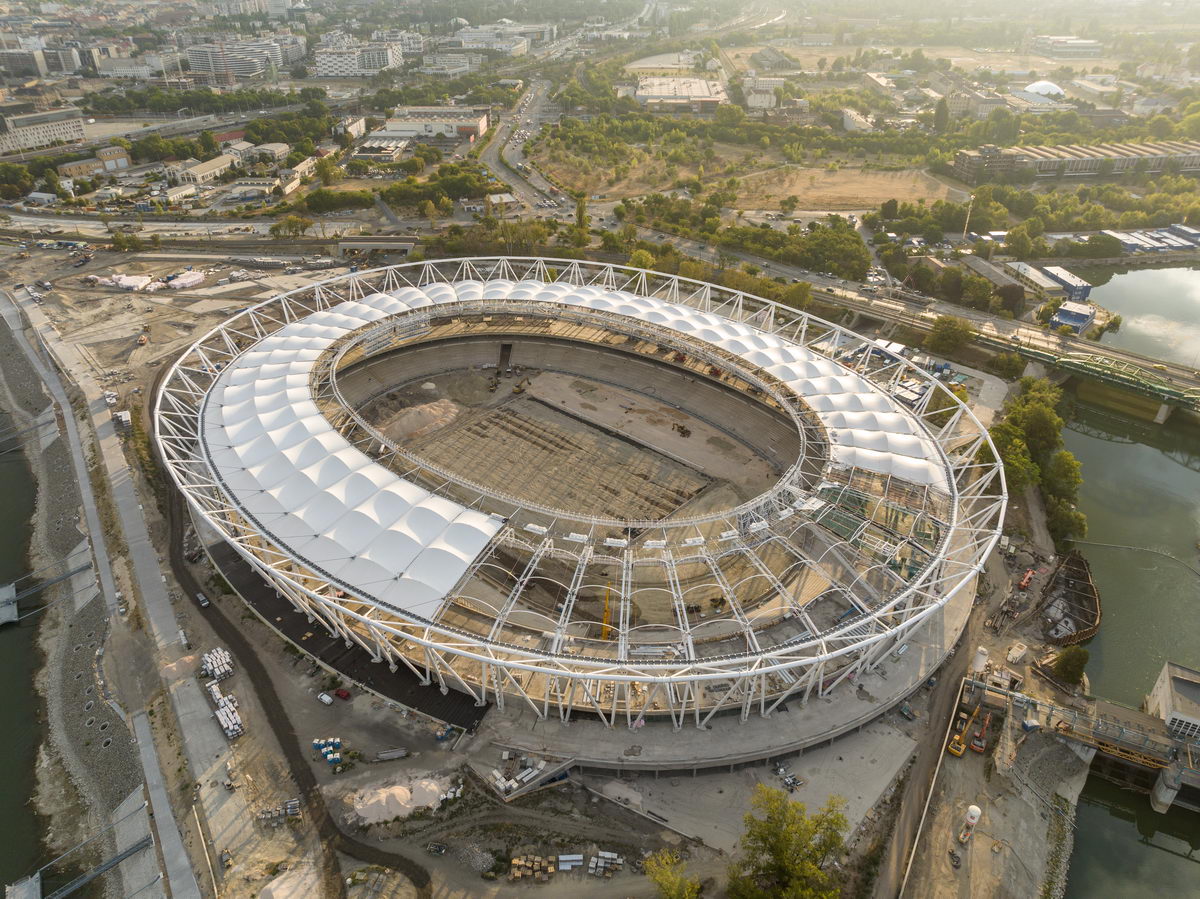
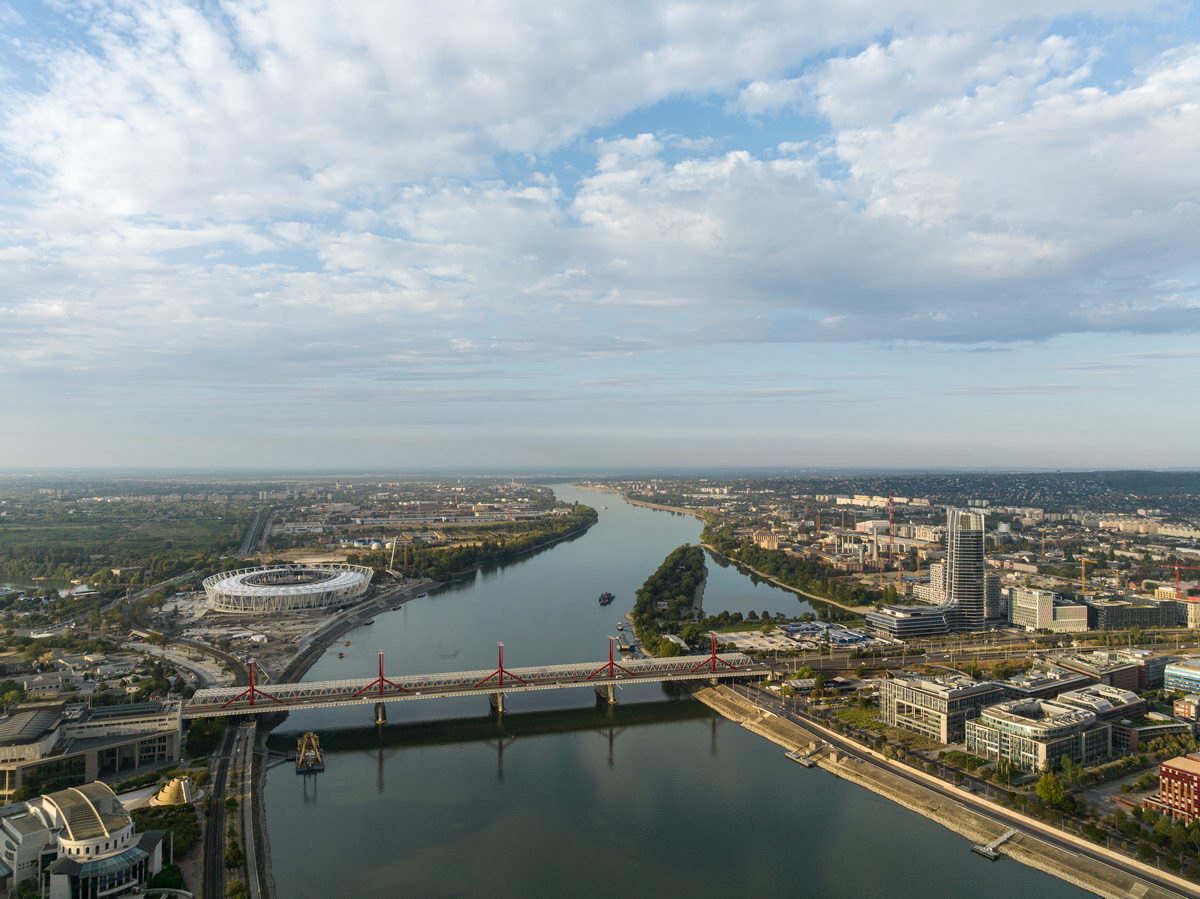
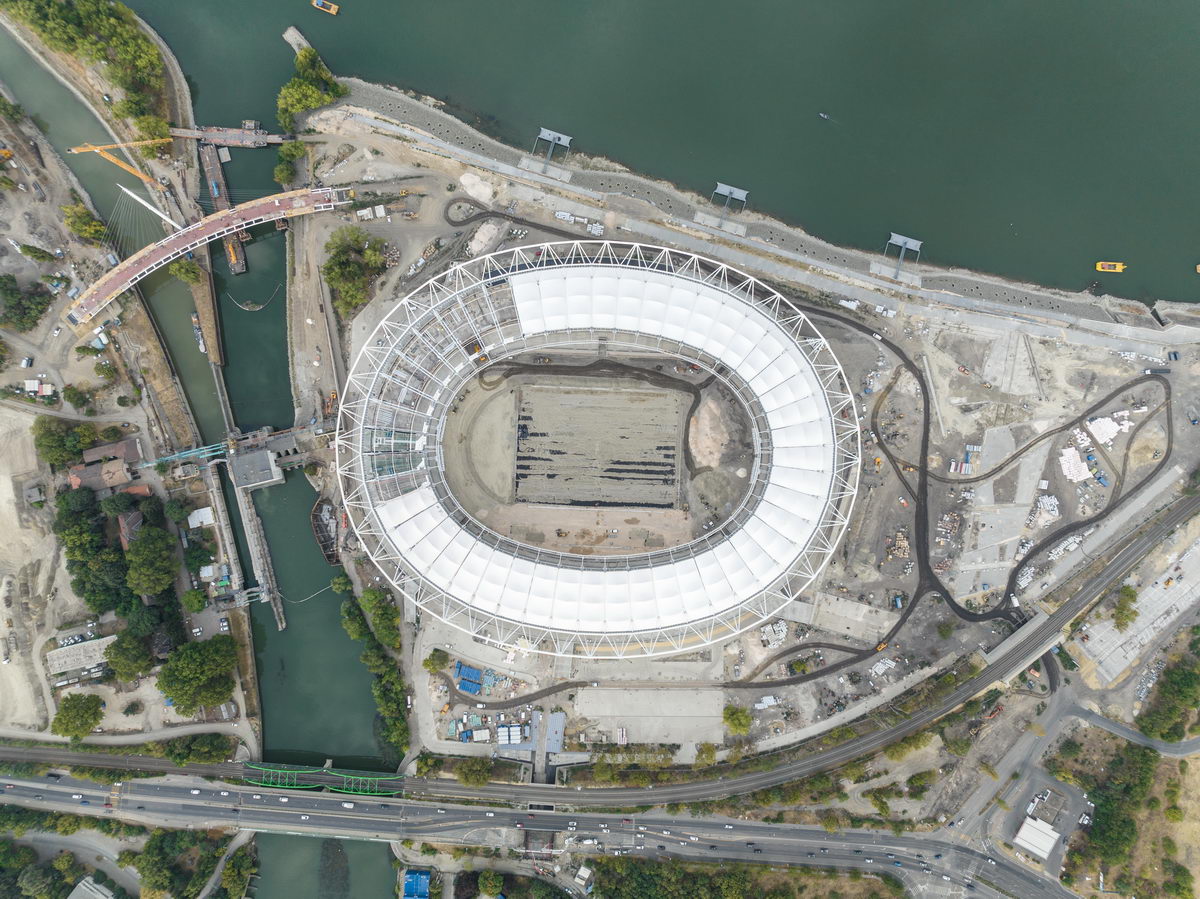
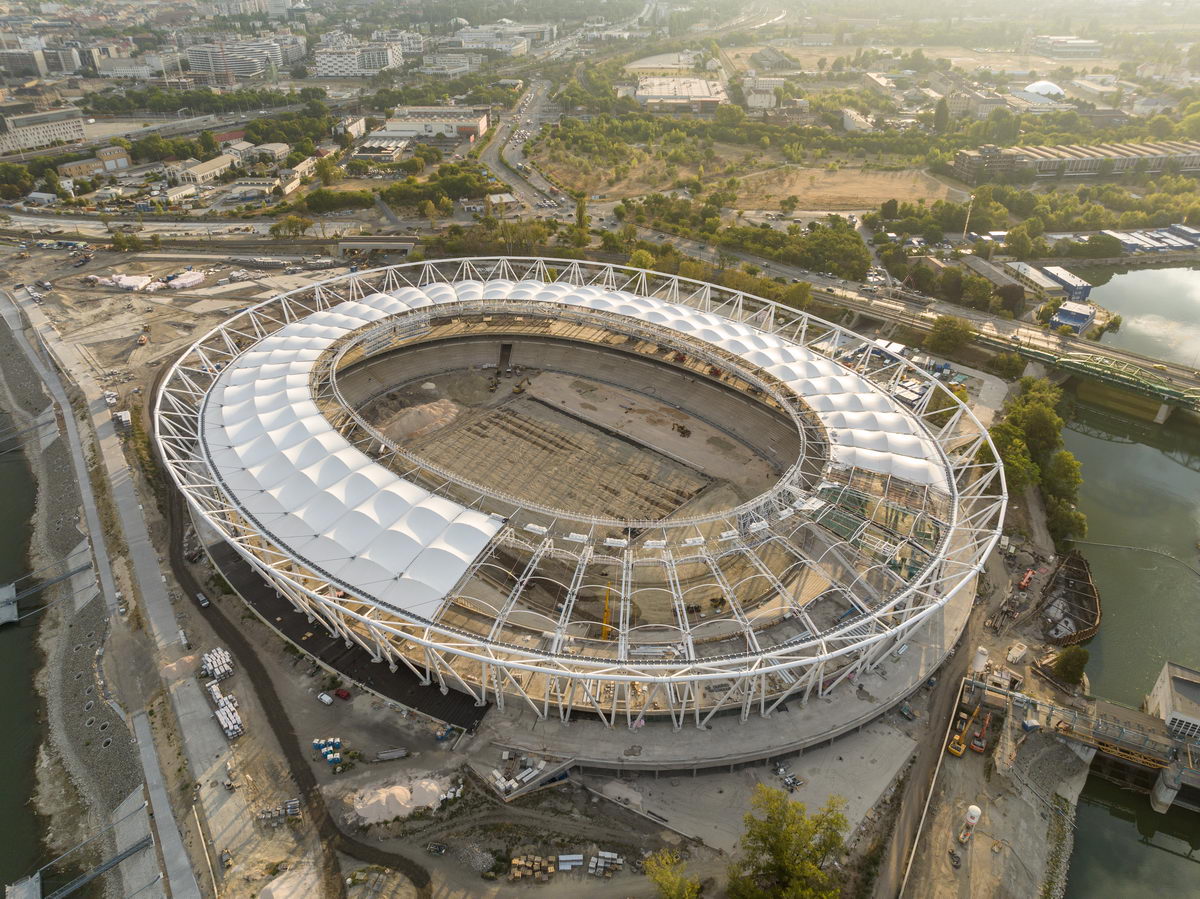
The National Athletics Stadium is an outstanding landmark in every respect. Together with the renewal of the city district, it is the largest and most complex stadium investment in Hungary to date. It can accommodate up to 40,000 people during the World Athletics Championships, including the temporary grandstand. And, perhaps most importantly of all: along with the stadium, the neighborhood (Budapest's IX district) is also being built.
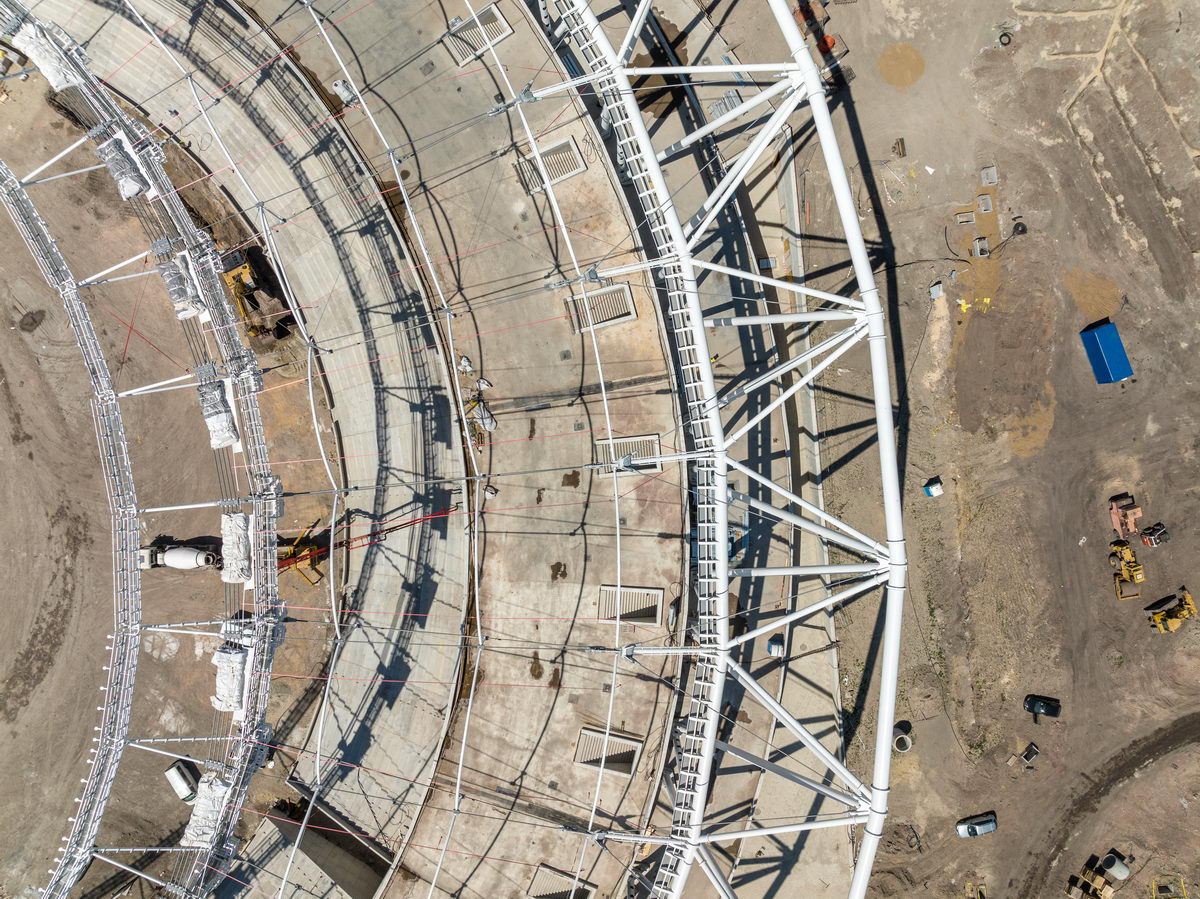
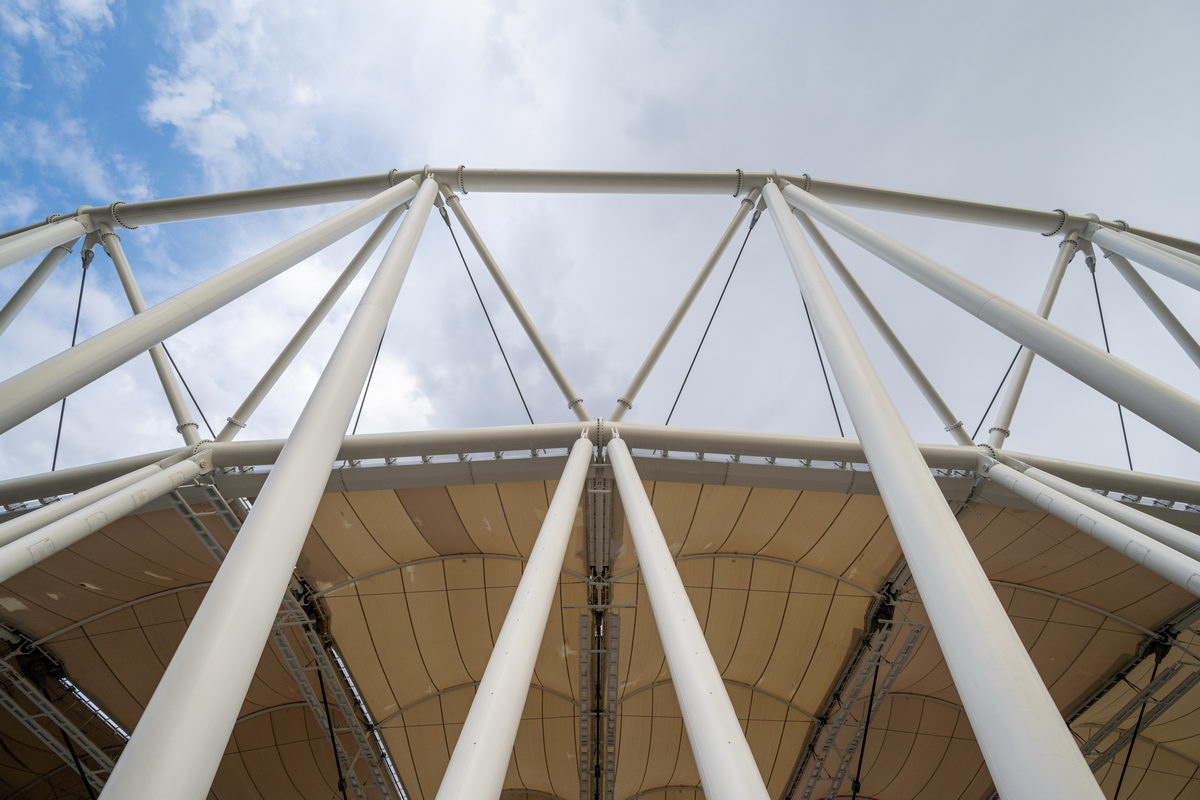
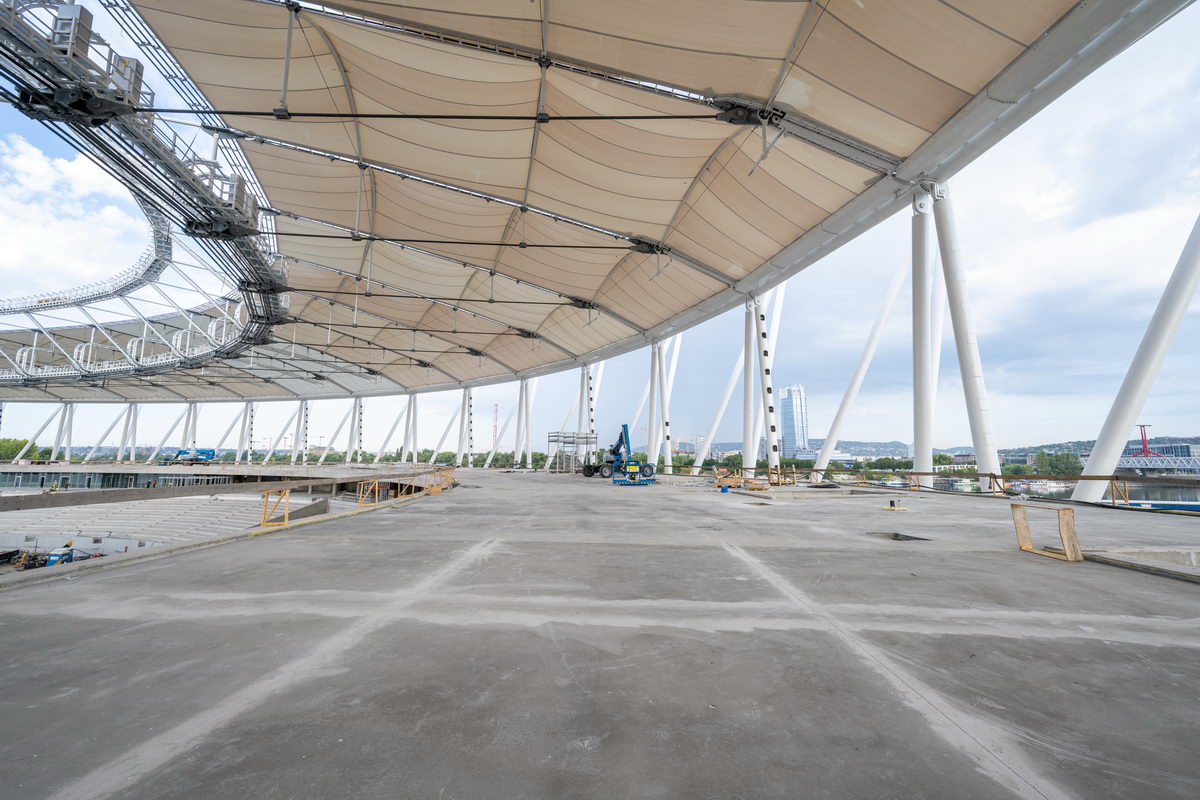
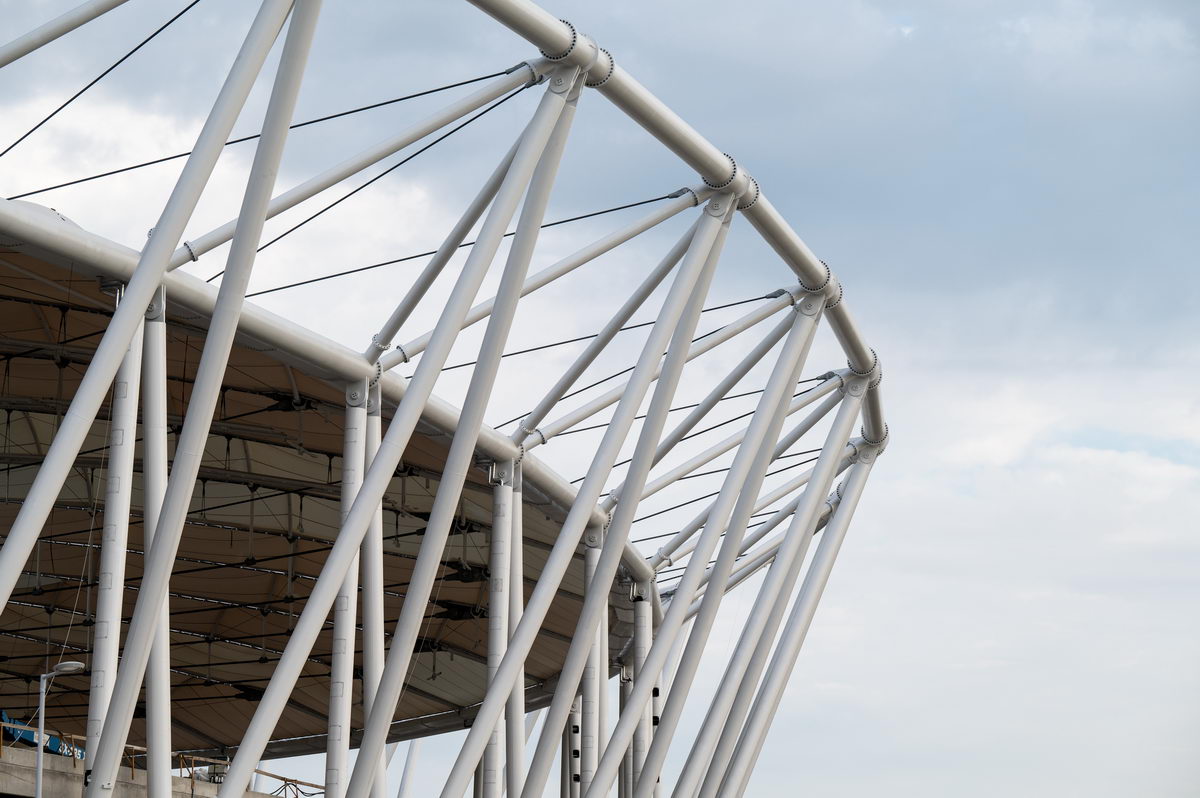
Within the KÉSZ Group, KÉSZ Metaltech is responsible for the construction of the steel supporting structure of the National Athletics Stadium among others. It also serves as the stadium's facade and is one of the most striking structural elements in terms of appearance. During the construction works, our professional team has delivered a performance that is unrivalled in the whole European sector. Both the cable tray and the rigid steel structure were set to the pre-designed shapes – with a few millimeters of deviation. To achieve the exact values, we needed the coordinated operation of three areas.
1. Design
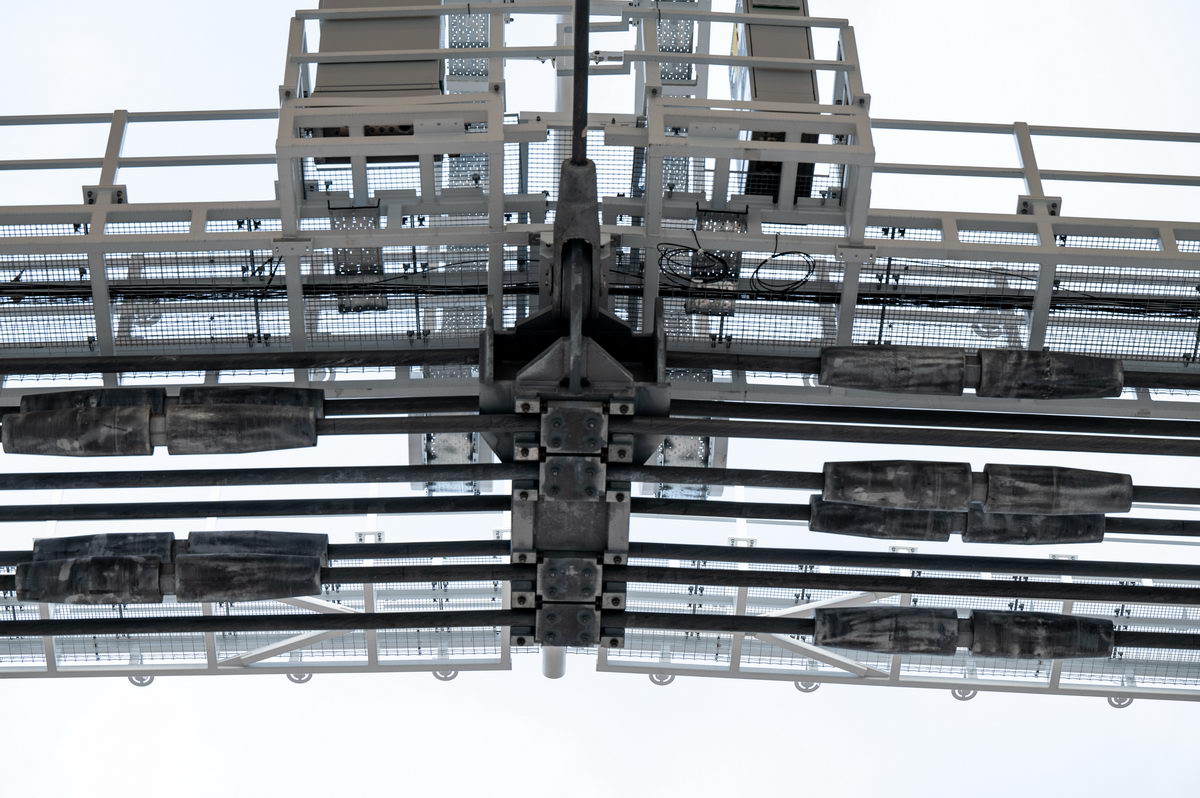
The 840 m steel structure was assembled from 48 units, which required the precision fabrication of 384 structural elements. On this structure, 268 cables of different diameters and lengths were manufactured and installed. After the construction works, both the steel structure and the cable roof were set to the designed shape with a few millimeters deviation. This is a unique achievement for a building of this size.
Several companies carried out the design at the same time. In addition to the general designer Napur Architekt Ltd. and the general structural designer Exon2000 Ltd., the strategic partner of the KÉSZ Group, bim.GROUP Ltd., also has a great merit in the final result. Furthermore the professional contribution of Buro Happold Ltd. (GB), Schlaich Bergermann Partner GMBH (DE) and Maffeis Engineering SpA (IT), who collaborated with bim.GROUP, is also significant.
To ensure first-class operation, a tolerance of plus/minus 3 millimeters has been specified between structural joints. This was plus/minus 50 millimeters over the entire length of the structure. In interpreting the tolerance specification, it is important to stress that it is not the length tolerance of individual elements that has been defined. It was the sum of the tolerances of several manufactured components, which required continuous control beyond the control of the individual components manufactured.
Since tolerances had to be provided together with the manufacturing and placement error of the footings, the result of the design evaluation had to be taken into account in all cases until the footings were pinned. This required the continuous active presence of the designers during implementation.
2. Production
The steel structure manufacturer KÉSZ Industrial Fabrication has produced all structural elements with maximum care and in compliance with the tolerance criteria set by the regulations. This was also achieved with the help of its cooperation partners and Redaelli Tecna Spa, the manufacturer of the cable-roof elements. The precision required during manufacture could only be guaranteed by high-precision measurements and by machining the connecting elements.
Due to the dimensions of the structure, the temperature of the structure had to be taken into account during manufacture. This had to be compensated to the theoretical mean value when adjusting the length dimensions. Thanks to the above approach, when the closing part of the structure was fitted, it was possible to join the structural elements with a gap of 20 millimeters, which could be closed easily.
The structures were measured in the production plant using a laser tracker. This gave instant tenths of a millimeter feedback on the geometry of the structure. The surfaces of the connected structures were created based on the data obtained by processing the measurement results. The measurement results were kept in a rolling system, so that compensation could be determined by taking into account the closing error of the previously manufactured elements during the manufacture of the next element. The final compensation step was the correction of the footing assembly pinning data, where we also had to take into account the resulting manufacturing error of the connecting element series.
3. Implementation
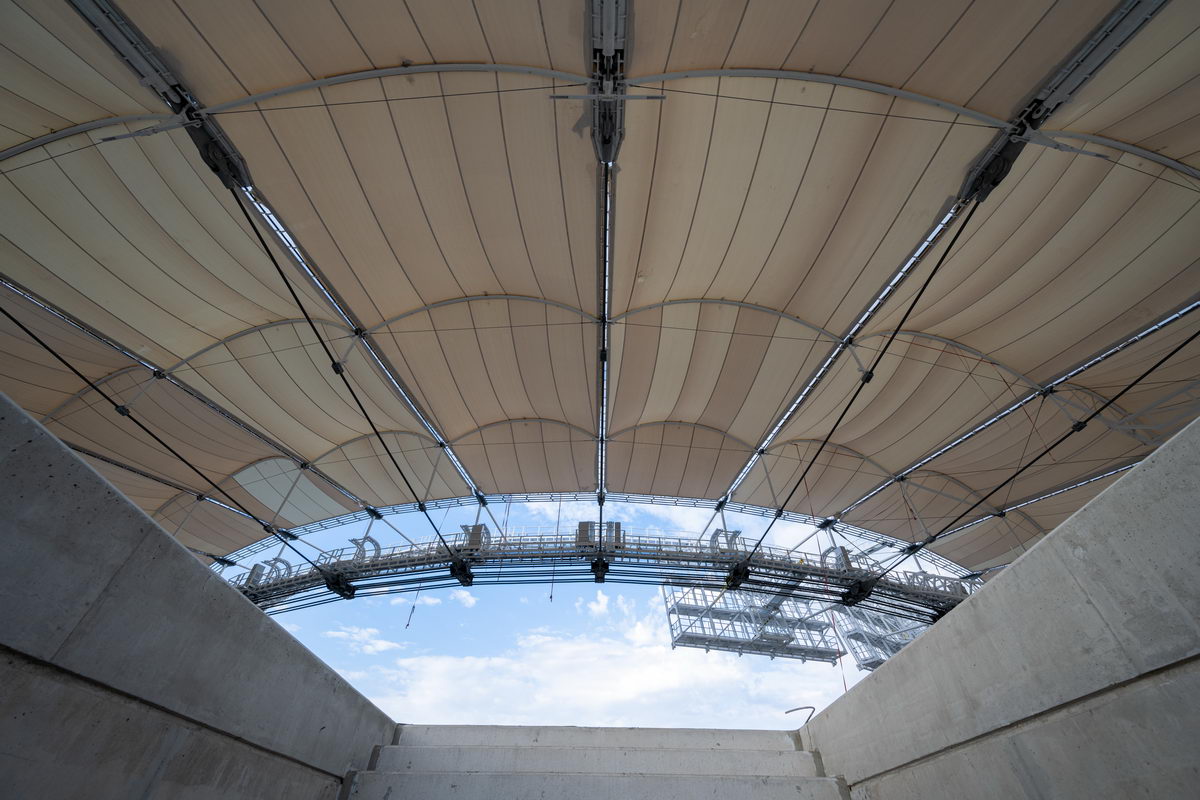
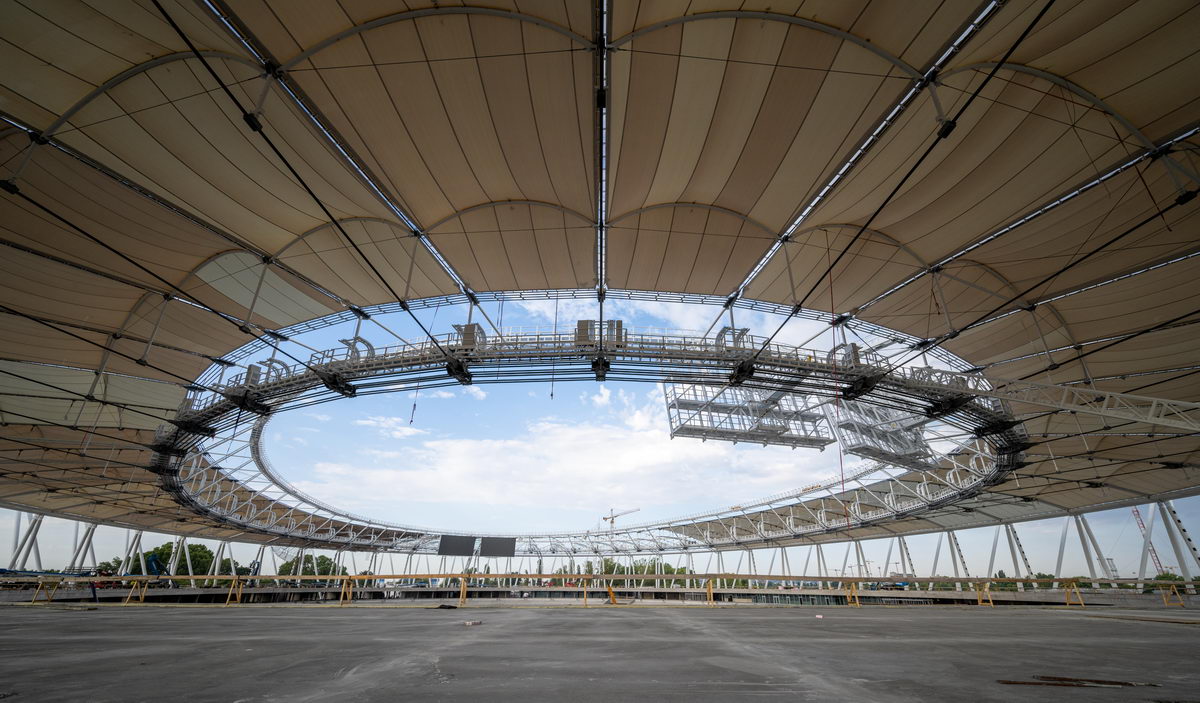
In addition to the consortium of ZÁÉV Zrt. and Magyar Építő Zrt. responsible for the general construction, KÉSZ Metaltech Kft. and Redaelli Tecna Spa have tirelessly focused on safety and efficiency during the development and implementation of the installation technologies. This was also the aim of the VSL AG specialists involved in the heavy lifting operation. As a result, the roof was assembled to first-class quality.
The lifting of the cable roof was completed in just over a month. Thanks to, among other things, careful preparation and the coordinated work of less than 20 professionals. The forces measured during the lifting deviated on average by 1.2% from the preliminary calculation. After the cable roof was lifted, a detailed geometrical study was carried out to evaluate all the parameters of the roof. The deviations from the theoretical shape were of the order of millimeters.